Pace of Play: Why Tempo Matters in Totals Markets
Updated:
In this piece
- The idea in one line
- What “pace” means by sport
- Quick myths to drop
- Basketball: the denominator that books miss
- NFL: the hidden weight of “neutral” pace
- MLB: a rule change that moved totals
- Soccer: pace is space, not just speed
- NHL: chances per minute drive the number
- Tennis: seconds add up
- What to build into a simple pace model
- Live tells that matter
- Two short case notes from my logs
- Your pre-bet checklist (keep this tight)
- Common traps to avoid
- Simple math you can use fast
- Short FAQs
- A note on risk and care
- Closing thought
The ball came in with 0:38 on the clock. One dribble handoff. Then a reset. Then a switch, a stall, and a late heave. No shot made. No big block. Just time. The under moved a step closer because the game had fewer trips. That is pace. Points need chances. Pace sets how many chances you get.
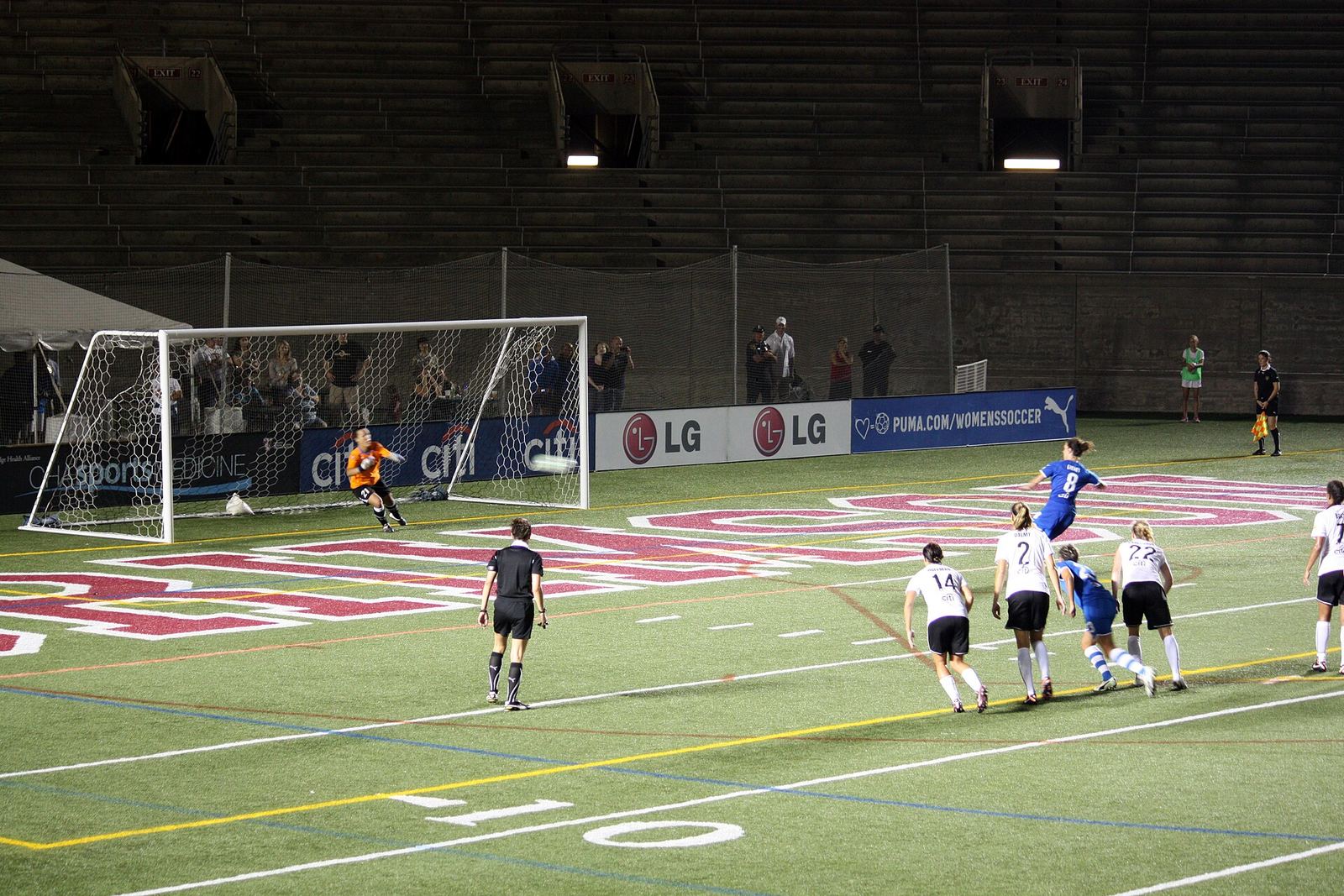
Many think totals are about skill. Good attack, bad defense, boom, points. Often, no. A slow game hides shots. A fast game makes shots. Pace is the drum. Teams play on top of it.
The idea in one line
Totals are not only about how well teams score; they are about how often they get to try.
What “pace” means by sport
Each sport has its own word for pace. In basketball it is possessions. In football it is seconds per play. In baseball it is pitch tempo. In soccer it is how fast a team goes from win to shot. In hockey it is how many shots we see at 5-on-5. In tennis it is time between points. You do not need to love math to get this. If the game has more sequences, you raise the chance for points. If the game slows, totals sink, even when players look great.
If you want hard numbers, start with NBA team pace data and the plain basketball possessions and pace glossary. For college hoops, “tempo” lives at adjusted tempo for college basketball. For NFL, look at NFL seconds per play by situation and pair it with neutral game-state analysis. For MLB, see how the pitch timer changed MLB in 2023 and drill into pitch tempo data. In soccer, pace shows in sequence time and direct speed metrics. For NHL, use NHL 5v5 shot attempts per 60. For tennis, note the ATP serve clock rules.
| NBA | Team Pace (possessions per 48) | ~95–103 | More trips → more shots and fouls | NBA.com Stats | Early shots under 10 sec on clock |
| NCAA MBB | Adjusted Tempo | Wider spread than NBA | Style gaps swing totals a lot | KenPom | Press/zone toggles in first 5 mins |
| NFL | Seconds per Play (neutral) | ~24–30 | Faster snaps add drives and plays | TeamRankings | No-huddle, quick subs, sideline pace |
| MLB | Pitch Tempo (timer era) | Post-2023 shift | Less dead time, steadier fatigue | Baseball Savant | Quick-quick-quick with runners on |
| Soccer | Sequence Time & Direct Speed | League and style-based | More direct play → more chances | The Analyst (Opta) | Turnovers high in middle third |
| NHL | 5v5 Shot Attempts per 60 | ~100–130 | More attempts, more rebounds and chaos | Natural Stat Trick | Stretch passes hit; rush chances rise |
| Tennis | Time Between Points (serve clock) | Surface and player style | Shorter gaps reduce long games | ATP Tour | Server hurries under stress |
Quick myths to drop
- Myth: A top attack always means an over. Fact: A great team can slow, set, and squeeze the clock.
- Myth: Last game’s score tells the next total. Fact: Coach style and game state drive pace and stick week to week.
Basketball: the denominator that books miss
Say a team ranks top five in attack but bottom five in pace. You still may see unders at large numbers if foes accept that slow beat. Efficiency is the yield per try. Pace is how many tries. Totals live on both. A short rule is fine: Total ≈ possessions × points per possession. If possessions drop, the whole sum falls, even when shots fall at the same rate.
Do not just read one season pace line. Watch how the ball crosses half. Do guards walk it up? Are first actions late? Do timeouts pull flow out of the game? Note also who owns the metronome. Some teams force dance speed. Others match. In my logs, splits by quarter and by rotation told more than season pace alone. Second units often slow. Crunch time can crawl.
NFL: the hidden weight of “neutral” pace
Raw seconds per play can trick you. Garbage time pumps snaps. Big leads drain them. Look at neutral states: one-score games, first three quarters. That is where coach habits show. Some coaches live in no-huddle. Some milk the clock by design. Quarterbacks with freedom speed up checks. Others call, look, wait. Use seconds per play in mix with neutral game-state. You will spot steady tells.
Also watch timeout use near the half. Some staffs will burn timeouts to chase one more drive. That adds snaps and live chances. Weather changes play type, too. Wind moves teams to run. Runs keep the clock live. That lowers plays unless rushes hit big. In short: pace is plan plus state plus sky.
MLB: a rule change that moved totals
The 2023 pitch timer cut dead time. Less stand, more throw. That small fix had real math under it. More rhythm can mean a bit more contact, more steel for base paths, and a new shape of bullpen use. The total did not move only from hit skill. It moved because the game had fewer long stops and more flow. The league’s own wrap on it is here: how the pitch timer changed MLB in 2023. I marked April 2023 totals down by ~0.2 runs at the open that year until books caught up.
Soccer: pace is space, not just speed
People see fast wingers and think pace. True, yet the key often sits in how long moves last and how direct teams go. Short, direct chains raise shot count. Long, slow build eats minutes. Watch press lines. If a team wins the ball high and plays forward fast, the game opens. If both sides pass and reset in the back, the total rests. The Opta model calls this “sequence time” and “direct speed.” You can read more at the sequence framework.
Also mind travel, fixture pile-ups, and weather. Tired legs slow runs. Heavy grass drags touch. Cold wind kills long balls. I trim pace for these.
NHL: chances per minute drive the number
Totals in hockey rise with rush play and quick turn from win to shot. Use 5-on-5 shot attempts per 60 as your pace proxy. It wraps blocks, tips, and rebounds into one beat count. Then split rush vs cycle. Rush adds speed. Cycle can grind. Teams that spring stretch passes lift attempts. Track it on Natural Stat Trick. Bench matchups also change pace. Third lines can slow it. Power play time breaks the clock in a good way for overs, but that is less stable game to game than 5-on-5 rhythm.
Tennis: seconds add up
The serve clock put a cap on breaks between points. On fast courts, with quick servers, you get short games and more straight sets. That can pull down “total games” even if shot skill is the same. The ATP serve clock rules set the bounds. Also watch players who rush when tight. That rush keeps tempo high in big points and trims deuces.
What to build into a simple pace model
- Baseline tempo: season-to-date, but adjust for foes.
- Neutral pace: remove garbage time and blowouts.
- Rest and travel: back-to-backs, time zones, flight miles. See sports science overviews at BJSM.
- Refs/umps: foul rate per minute, time to restart, review habits.
- Tactics: press rate (soccer), no-huddle share (NFL), line change speed (NHL), first-action time (NBA).
- Rules: pitch clock flags, shot clock tweaks, serve clock.
Sanity checks help. Do your parts match the market? If you raise pace by one standard step, does the total move in a real way? A rough guide: NBA totals can swing 6–8 points with a big pace change. NFL may shift 2–4 points with real seconds-per-play gaps. In live play, does early pace hint at the half’s shape? If yes, your model can take a light live bet. If no, pass.
Live tells that matter
The first 5 to 8 minutes tell more truth than most pregame takes. Watch how fast teams start. Watch whistle rate. Early fouls slow the game and add free throws. That can cut or lift totals based on bonus timing. In football, watch subs and sideline speed. If a team goes no-huddle and the defense cannot swap, pace jumps. In MLB, a quick-set pitcher with men on can keep stress high. In soccer, early presses set the tone. If both sit off, pace will lag.
Two short case notes from my logs
Basketball: a slow, half-court team on the road faced a fast break group. The market split the diff. First five trips, the slow team walked it up. The fast group matched. I hedged my small pregame over with an in-game under at 3:12 mark, when I saw the walk-ups stick. It cashed by 7 points. The pace, not the shots, did the work.
MLB: in April 2023, I saw a mid-pace starter shave 2–3 seconds off with runners on. It sped up the inning and led to more balls in play. I trimmed my live totals by 0.1–0.2 when he worked from the stretch. Small, but over a month it paid for the juice.
Your pre-bet checklist (keep this tight)
- Confirm baseline pace and neutral pace for both teams.
- Check rest, travel, and coach style notes.
- Flag ref/ump pace and any rule quirks.
- Watch the first few minutes or plays if you can; note whistle rate and first-action time.
- Price the denominator first (pace), then layer on efficiency.
- Shop for price and rules. For readers in Norway, an independent casino guide for Norge can help you check house rules, limits, and terms before you play or bet. Always read the fine print.
Common traps to avoid
- Do not use last game’s score as a pace proxy.
- Do not ignore tempo clashes; one side can slow the other.
- Do not treat first-half pace as fixed; rotations change rhythm.
- Do not miss how replays, long timeouts, and injuries break flow.
Simple math you can use fast
Basketball back-of-napkin: If you expect 98 possessions and a joint 1.12 points per possession, your rough total is 109.8 × 2 ≈ 220 (round as you like). If the pace drops to 94 with the same efficiency, you fall to about 210. That 10-point gap is the edge you hunt.
Short FAQs
How do I get possessions in hoops?
Use the standard formula from the Basketball-Reference glossary, or pull it from league sites. Adjust for overtime risk.
Does wind matter for NFL totals?
Yes. Wind shifts play calls toward runs and short throws. Fewer clock stops can mean fewer plays.
Can live pace predict the end score?
It helps if you weight it with foul rate, injuries, and bench time. Do not chase hot shooting alone.
A note on risk and care
No edge is sure. Prices move. Data can be wrong. Set a bankroll. Use small stakes. If betting stops being fun, or you feel out of control, pause and seek help. See responsible gambling resources for support and tools.
Closing thought
Skill draws eyes. Tempo moves totals. If you learn to hear the beat of a game, you will price the number, not the noise.
Statistical definitions differ between providers. Figures quoted here are attributed to the provider that published them.